-
×
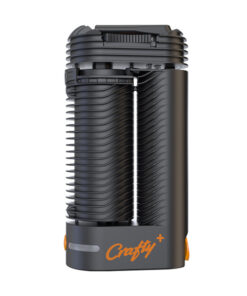 CRAFTY+ VAPORIZER KIT
$274.95
CRAFTY+ VAPORIZER KIT
$274.95 -
×
 ELYXR Delta-8 & CBD Pain Relief Gel | 8oz
$59.90
ELYXR Delta-8 & CBD Pain Relief Gel | 8oz
$59.90 -
×
Canna River Broad Spectrum Cooling Recovery CBD Balm
$22.95
-
×
Everyday Canna Co. Field Pen 510 Battery
$91.90
-
×
Rave Kratom Gold Goddess Shot | 15ml
$12.95
-
×
Hempzilla CBD Live Resin Socialize Disposable | 1g
$24.95
-
×
Hempzilla CBD Joint and Muscle Gel
$44.95
-
×
Hempzilla CBD Live Resin Nighttime Disposable | 1g
$24.95
-
×
Purlyf Rave Kratom White Dragon Shot | 15ml
$12.95
-
×
MIGHTY VAPORIZER KIT
$374.95
-
×
Hempzilla CBD Live Resin Energize Disposable | 1g
$24.50
-
×
TRĒ House HHC Syrup Purple Stuff | 1000mg
$27.95
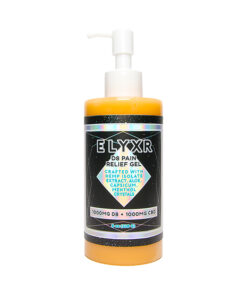 ELYXR Delta-8 & CBD Pain Relief Gel | 8oz
 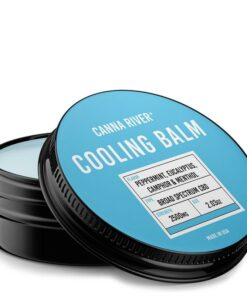 Canna River Broad Spectrum Cooling Recovery CBD Balm
 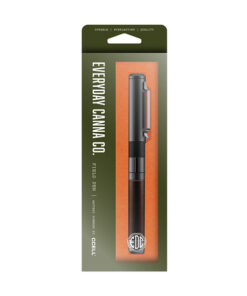 Everyday Canna Co. Field Pen 510 Battery
 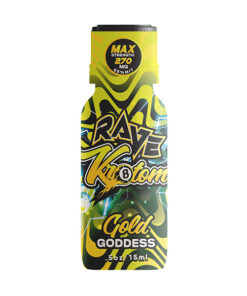 Rave Kratom Gold Goddess Shot | 15ml
 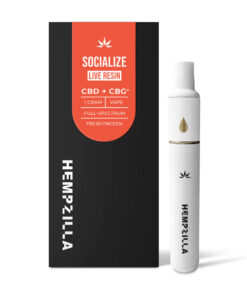 Hempzilla CBD Live Resin Socialize Disposable | 1g
 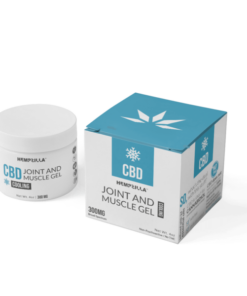 Hempzilla CBD Joint and Muscle Gel
 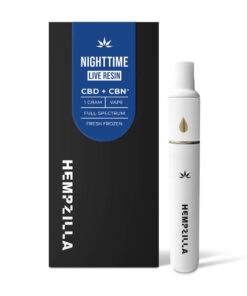 Hempzilla CBD Live Resin Nighttime Disposable | 1g
 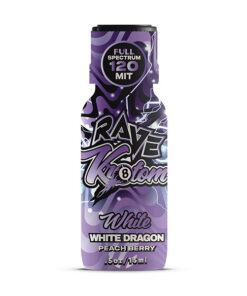 Purlyf Rave Kratom White Dragon Shot | 15ml
 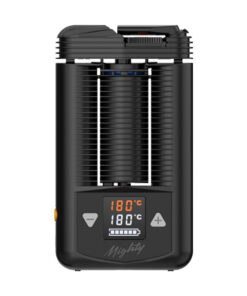 MIGHTY VAPORIZER KIT
 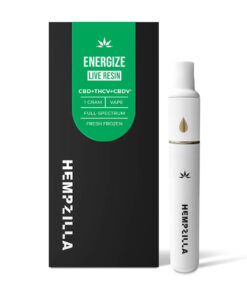 Hempzilla CBD Live Resin Energize Disposable | 1g
 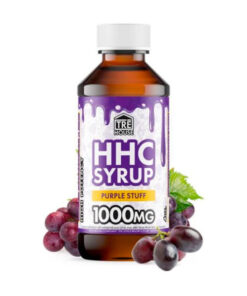 TRĒ House HHC Syrup Purple Stuff | 1000mg
  Browse All
Cannabis and Weight: What Research Says About Appetite, Metabolism & Weight Management
It sounds almost too contradictory to be true. Cannabis is famous—infamous, really—for giving people the munchies. The image of someone raiding the fridge at midnight after a smoke session is practically baked into pop culture. So how on earth could the same plant possibly help anyone lose weight?
TABLE OF CONTENTS
- How does weed help you lose weight?
- Lower BMI Across the Board
- Metabolic Regulation and the Endocannabinoid System
- Appetite Suppression Through Specific Cannabinoids
- Lower BMI Across the Board
- Stress, Cortisol, and the Weight Connection
- Sleep, Exercise, and the Holistic Picture
- How to Use Cannabis for Weight Loss
- Choose Cannabinoids That Align With Your Goals
- Make Movement Non-Negotiable
- Maintain a Balanced Diet
- Consult a Professional
- Frequently Asked Questions
- The Bottom Line: No Magic Bullet, But Indeed a Valuable Tool
Yet the data keeps pointing in an unexpected direction. Research consistently shows that cannabis users are significantly less likely to be obese than non-users. Adult-use legalization has even been linked to lower obesity rates in some states. Beyond the statistics, cannabis appears to influence metabolic regulation, stress management, and even exercise performance—all factors that play into how our bodies manage weight.
Before diving into the science, a necessary word of caution: this article is for educational purposes only. We aren’t doctors, and nothing here constitutes medical advice. If you’re considering lifestyle changes for weight loss, have that conversation with your primary care physician or a registered dietitian first.
How Does Weed Help You Lose Weight?
Scientists didn’t set out to discover cannabis as a weight-loss aid. They were studying glucose levels, cardiovascular risk, epilepsy, and chronic illness when they kept stumbling across the same surprising pattern: cannabis users tended to weigh less. The discovery was accidental, but the evidence has been piling up ever since.
Lower BMI Across the Board
A 2018 research review examined 17 studies and landed on a consistent finding: cannabis users show lower body mass indexes than non-users. Across all the studies, the mean BMI of cannabis users was roughly 3 points lower. One study even found an inverse relationship between frequency of use and BMI—meaning more frequent cannabis consumption correlated with a lower body mass index.
Now, a quick reality check on BMI. It doesn’t distinguish between fat and muscle, it doesn’t reflect activity levels, and many health professionals consider it an outdated metric. So take the numbers with a grain of salt. But the broader pattern is hard to ignore.
What makes this even more striking is the calorie paradox. According to that same review, cannabis users consume an average of 834 more calories per day than non-users—likely thanks to the munchies—yet obesity rates remain lower among both frequent and casual consumers. Something else is clearly going on beneath the surface.
Metabolic Regulation and the Endocannabinoid System
The endocannabinoid system sits at the center of this mystery. This vast network of receptors plays a fundamental role in regulating appetite, metabolism, and how our bodies store and burn energy. When the system is out of balance, weight issues often follow.
Most modern Western diets are heavy on omega-6 fatty acids and light on omega-3s. That imbalance can overstimulate CB1 receptors—the same receptors that influence everything from inflammation to fat storage—potentially contributing to weight gain. Cannabis, by interacting with this very system, may help nudge things back toward equilibrium for some people.

Appetite Suppression Through Specific Cannabinoids
Here’s where the nuance really matters. THC—the main intoxicating cannabinoid—is indeed the primary driver of the munchies. It fires up appetite and makes food taste irresistible. But other cannabinoids appear to do the exact opposite.
CBD has emerged as a potential appetite moderator. A 2022 review suggested that CBD might help reduce appetite and increase feelings of fullness. In one reviewed study, participants who received CBD experienced a drop in BMI after treatment. Interestingly, lower doses produced small reductions in appetite, while larger doses led to more significant suppression.
THCV—sometimes nicknamed “diet weed”—goes even further. Rodent studies show THCV can lower appetite, promote satiety, and stimulate metabolism. In human studies, THCV has demonstrated an ability to improve glucose control, which directly supports weight management.
For those interested in exploring these cannabinoids, products like the Canna River Ultra Wellness Tincture (20,000 mg) or the Hempzilla CBD + CBG Tincture (Wellness Formula) available at delta9reseller offer convenient, precisely dosed CBD options. For THCV-forward formulations, keep an eye on our evolving concentrate and vape selections.
Stress, Cortisol, and the Weight Connection
Stress doesn’t just feel bad—it physically changes how your body operates. When you’re stressed, your body pumps out cortisol, a hormone designed for fight-or-flight survival. Cortisol triggers a glucose dump into the bloodstream and shuts down functions that aren’t immediately necessary for escaping danger.
Back when stressors looked like predators, this system worked beautifully. But today’s stressors—deadlines, traffic, financial pressure—don’t resolve with a sprint. They linger. And under chronic stress, elevated cortisol levels begin to break the body down. Digestion suffers, metabolism slows, and the pounds can creep on.
Some research indicates that cannabis, particularly high-THC strains, affects how the body reacts to cortisol. The evidence isn’t yet strong enough to draw firm conclusions about weight loss specifically, but the stress-management angle is a significant piece of the broader wellness puzzle. A calmer mind often leads to better choices—in food, in movement, and in sleep.
Sleep, Exercise, and the Holistic Picture
Donna Shields, a registered dietitian and co-founder of the Holistic Cannabis Academy, frames cannabis not as a weight-loss silver bullet but as a supporting player in a larger lifestyle shift.
“If you’re not getting enough sleep or poor quality sleep, this triggers the hormone ghrelin, which influences hunger and how fat gets deposited in the body,” Shields explains. “If cannabis can help with sleep, then you’re helping to resolve the weight gain issue. I can’t underscore enough how poor sleep contributes to poor weight management.”
A 2022 review confirmed that both THC and CBD can help subjects fall asleep and stay asleep. Quality sleep allows metabolism and other bodily functions to recharge and perform the next day optimally.
Shields also points to pain relief as an indirect pathway. By mitigating chronic pain, cannabis can help people become more active—which in turn supports weight loss goals.
“A holistic approach will achieve wellness faster than popping a gummy and calling it a day. Meditation, movement of any type, a cleaned-up diet — all of these things are critical. It’s a multi-disciplinary approach that gets the best results.”
For sleep support, delta9reseller carries targeted options like the Canna River Ultra Sleep Tincture (20,000mg), Bad Days Lights Out CBD + CBN Gummies, and the Deltios Nighttime Gummies. For post-workout recovery that keeps you moving, the Hempzilla CBD Joint and Muscle Gel and Slap Hemp Co. CBD Pain Relief Roll-On are customer favorites.

How to Use Cannabis for Weight Loss
Weight loss is deeply personal. No single plan works for everyone, and your specific needs and medical history should guide every decision—ideally with a doctor’s input. If you’re considering adding cannabis to your weight-loss strategy, here are the most promising approaches.
Choose Cannabinoids That Align With Your Goals
High-THC products are the most likely to trigger the munchies, which can work against your intentions. Cannabinoids like CBD and THCV offer different pathways. Look for products that emphasize these compounds or feature balanced ratios. The Canna River Calm Gummies (30 Count), Benefita CBD Moisturizing Lotion for topical relief, and broad-spectrum tinctures like the Bad Days Full Spectrum CBD Tincture (1500 mg) are excellent starting points available on the site.
Make Movement Non-Negotiable
Diet matters enormously, but so does exercise. Regular movement — even a daily walk — keeps your metabolism humming and your body functioning well. Cannabis can help on both ends: a low-dose edible or light vape session before a workout can enhance focus and enjoyment, while post-exercise products like the Benefita CBD Cooling Gel Roll-On can ease soreness and speed recovery.
For pre-workout, many active consumers reach for discreet, precisely dosed options like the Binoid Premium THCA Live Rosin Disposable, Half Bak’d THCA Disposable (3g), or a single Jeeter Perfect Dose Gummy (300mg) to dial in a subtle lift without overdoing it.
Maintain a Balanced Diet
Yes, you still have to eat your vegetables. A diet built around whole foods—with room for occasional indulgences—supports everything else you’re doing. The munchies don’t have to mean junk food. Many cannabis users find that the heightened sensory experience makes fresh, flavorful foods like fruit, nuts, and well-seasoned meals even more satisfying.
Consult a Professional
We love cannabis and the evolving research around it, but we aren’t licensed medical professionals. Speak with your primary care doctor or a clinician familiar with cannabis and metabolic health before making significant changes.
Frequently Asked Questions
Q) Does weed actually increase metabolism?
A) Based on current research, there’s a correlation between cannabis use, metabolic regulation, and lower BMI, but no firm evidence of direct causation. The relationship is complex and likely involves multiple factors, including sleep, stress, and activity levels.
Q) Why does weed help some people lose weight but not others?
A) Everyone’s body and relationship with weight is highly personal. Cannabis doesn’t contain inherent weight-loss properties. Instead, it may support weight management indirectly—through better sleep, reduced stress, pain relief that enables exercise, and cannabinoid-specific appetite effects. Your individual biology, habits, and product choices all shape the outcome.
Q) Are there calories in weed?
A) It depends entirely on how you consume it. Smoking, vaping, and dabbing involve no ingestion and therefore no calories. Edibles like gummies, cookies, and chocolates contain calories from their food ingredients. If you want to avoid both inhalation and calories, tinctures and capsules are the way to go. delta9reseller carries a wide range of tinctures from brands like Canna River, Bad Days, and Hempzilla.
Q) Why do some people gain weight when they use cannabis?
A) Some people find that cannabis increases their appetite significantly, and if that combines with reduced physical activity, weight gain can follow. THC is the primary munchies driver, so high-THC products may pose a particular challenge for those trying to manage cravings. Pre-existing health conditions can also influence how cannabis affects weight.
Q) What cannabinoids are best for appetite control?
A) CBD and THCV show the most promise. CBD may reduce appetite and increase feelings of fullness, especially at higher doses. THCV has demonstrated appetite-suppressing and metabolism-stimulating effects in animal studies, plus improved glucose control in human studies. Avoid high-THC products if munchies are a concern.
Q) Can I use THCa products as part of a weight management plan?
A) THCa is the raw, non-intoxicating precursor to THC. When consumed in its unheated form (like in tinctures or certain edibles), it doesn’t produce the psychoactive effects or the intense munchies associated with THC. Many people incorporate THCa products into their wellness routines without experiencing the appetite surge. Explore the full THCa selection at delta9reseller.

The Bottom Line: No Magic Bullet, But Indeed a Valuable Tool
Cannabis won’t melt pounds away on its own. Anyone promising otherwise is selling something other than honesty. But the science is increasingly clear: used thoughtfully, as part of a broader commitment to sleep, stress management, movement, and nutrition, cannabis can be a genuine ally in the journey toward a healthier weight.
The key is intentionality. Pick the right cannabinoids. Choose the right products. Build the right habits around them. And always, always loop in your doctor.
At delta9reseller, we make that intentionality easier with lab-tested, clearly labeled THCa edibles, vapes, tinctures, and topicals from trusted brands including Canna River, Binoid, Half Bak’d, Urb, and Hempzilla. Explore the full collection and find the products that fit your lifestyle—whatever your goals may be.
[Insert image: Clean product lineup of delta9reseller tinctures, gummies, and topicals arranged on a kitchen counter with fresh whole foods in the background]
DISCLAIMER
The information provided in this article is for educational purposes only. THCa and other hemp-derived products should only be consumed by adults of legal age in their respective jurisdiction. Always consult with a healthcare professional before using cannabis products, especially if you have a chronic medical condition or are taking prescription medications. Follow all local laws regarding hemp-derived products.
TRENDING NOW
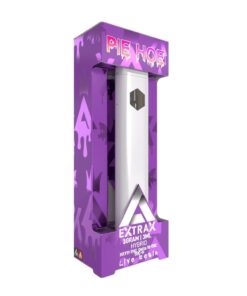
$26.95
This product has multiple variants. The options may be chosen on the product page
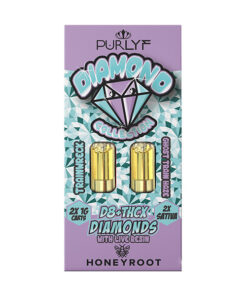
$22.95
This product has multiple variants. The options may be chosen on the product page
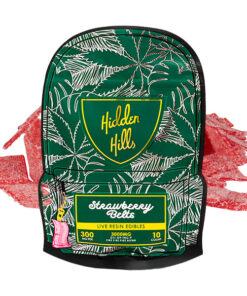
$15.95
This product has multiple variants. The options may be chosen on the product page
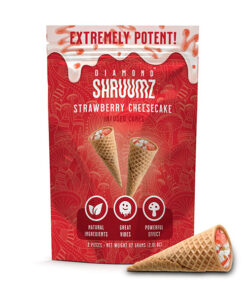
$29.95
This product has multiple variants. The options may be chosen on the product page
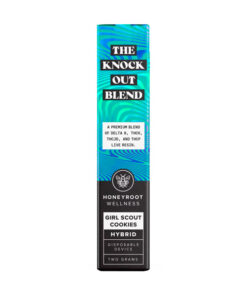
$28.95
This product has multiple variants. The options may be chosen on the product page
-25%

Original price was: $19.95.$14.95Current price is: $14.95.
This product has multiple variants. The options may be chosen on the product page
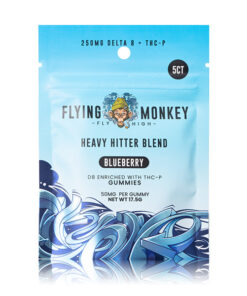
$9.95
This product has multiple variants. The options may be chosen on the product page
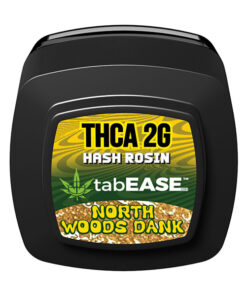
$28.95
This product has multiple variants. The options may be chosen on the product page
-19%

Original price was: $26.95.$21.95Current price is: $21.95.
This product has multiple variants. The options may be chosen on the product page
$33.95
This product has multiple variants. The options may be chosen on the product page
$23.99
This product has multiple variants. The options may be chosen on the product page

$24.95
This product has multiple variants. The options may be chosen on the product page
$35.95
This product has multiple variants. The options may be chosen on the product page
$4.95
This product has multiple variants. The options may be chosen on the product page

$26.95
This product has multiple variants. The options may be chosen on the product page

$25.95
This product has multiple variants. The options may be chosen on the product page
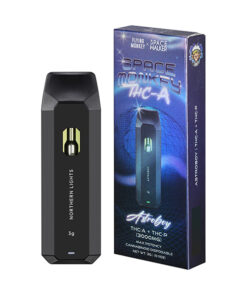
$26.95
This product has multiple variants. The options may be chosen on the product page
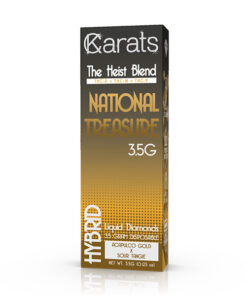
$29.95
This product has multiple variants. The options may be chosen on the product page
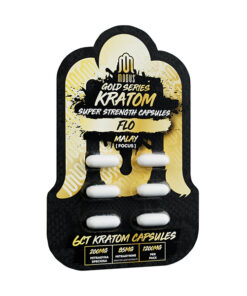
Price range: $20.95 through $33.95
This product has multiple variants. The options may be chosen on the product page
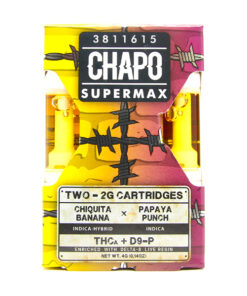
$33.95
This product has multiple variants. The options may be chosen on the product page
-25%
Original price was: $59.95.$44.95Current price is: $44.95.
This product has multiple variants. The options may be chosen on the product page
$22.95
This product has multiple variants. The options may be chosen on the product page
$34.95
This product has multiple variants. The options may be chosen on the product page

$26.95
This product has multiple variants. The options may be chosen on the product page
$24.95
This product has multiple variants. The options may be chosen on the product page
$33.95
This product has multiple variants. The options may be chosen on the product page
$21.95
This product has multiple variants. The options may be chosen on the product page
$24.95
This product has multiple variants. The options may be chosen on the product page

$32.95
This product has multiple variants. The options may be chosen on the product page
$22.95
This product has multiple variants. The options may be chosen on the product page